
Why trees?
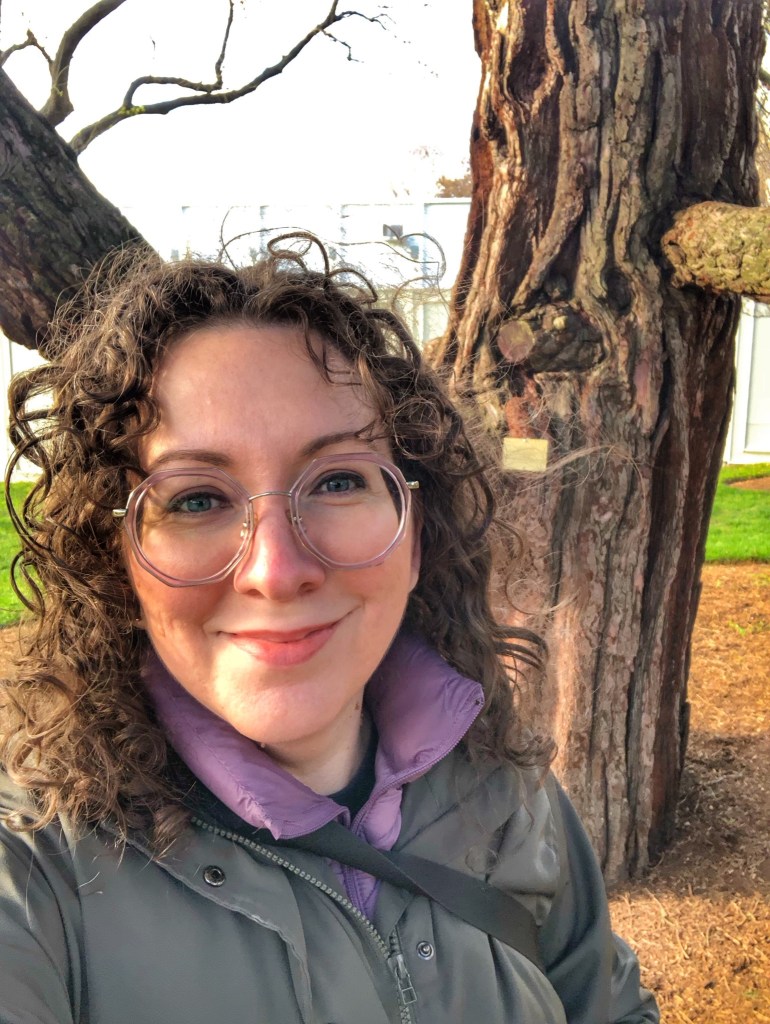
I first really started to observe trees while studying at OSU. I took an introductory course in African American Studies to learn more about a history I knew very little of. I had no idea that class would shape the trajectory of my art. I was trying to process what I was learning about lynching and thankfully had an outlet as an artist. The material and images were haunting and drained me emotionally.
What could I do with the knowledge of so much pain and suffering? It was suggested I read the essay by Susan Sontag, Regarding the Pain of Others. I learned that “compassion is an unstable emotion. It needs to be translated into action, or it withers.”
I dedicated my entire senior thesis to educating gallery attendees about lynching trees and lynching postcards. I created postcards with hand-drawn lynching trees. The home state was visibly lettered, along with the description of the murder on the back. Besides sharing information, my goal was to challenge the way people maneuver through nature; as I would never look at a tree the same way again.
Today, more than 10 years later, I find that I still wonder what trees would say if they could talk. I am most captivated by the movement in the pattern of bark or the girth of gnarly, sturdy branches and trunks. The beauty within an individual leaf is also most inspiring; the veins, like creases in a palm, contribute to a deeper understanding of growth and habitat.
 rachaeldavisart.com